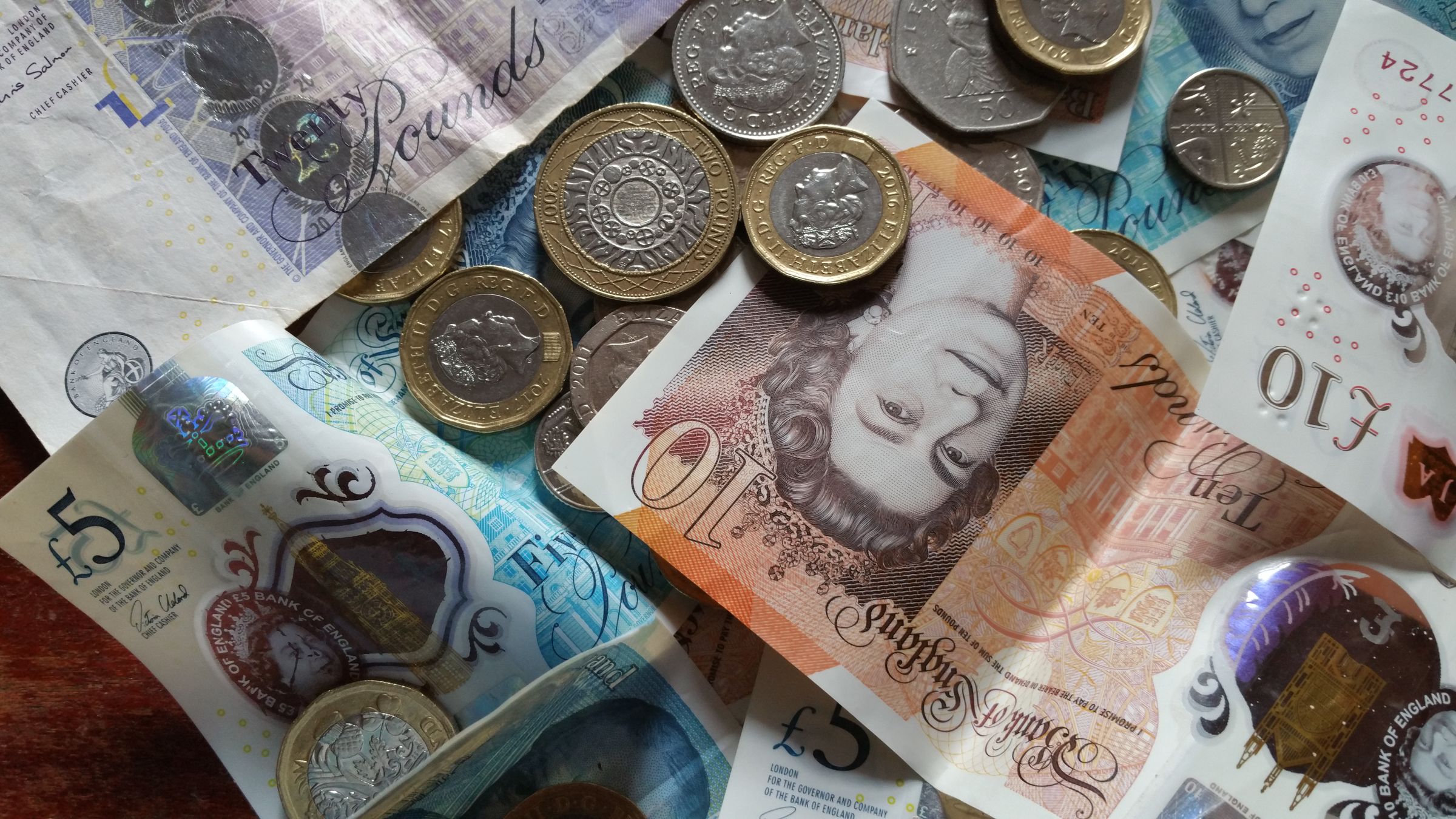
Sterling strengthened by about half a cent to $1.3352 against the dollar after UK labour market data landed, a market verdict on numbers that came in better than City economists had priced in and that arrive one week before John Healey’s first budget.
The Office for National Statistics reported that unemployment fell to 4.7% in the three months to August, down from 4.9%, confounding forecasts of a rise to 5%. Payrolled employment also expanded, with 13,000 more employees on payrolls between August and September, taking the total to 30.3 million. For a chancellor preparing a budget, the snapshot offered a rare piece of good news on the economic scoreboard.
Yet beneath the headline improvement, the data pointed to a labour market generating little momentum. Job vacancies, which peaked at 1.3 million in the period after the pandemic, fell by 21,000 to 691,000 in the three months to September, the lowest level since 2021 during the Covid pandemic. Some economists read that decline as evidence of an economy moving sideways rather than accelerating.
Suren Thiru, chief economist at the Institute of Chartered Accountants in England and Wales, described the labour market as “running on idle”, with employers limiting recruitment and pay awards “in response to surging cost pressures and pre-budget policy uncertainty”. He called the continued fall in vacancies “a flashing red warning light for the labour market”, suggesting that a damaging side-effect of this year’s AI-fuelled economic growth has been weaker hiring demand, compounded by elevated employment costs.
By contrast, Ben Harrison, director of the Work Foundation thinktank at Lancaster University, warned that the fall in unemployment “should not make the government complacent ahead of next week’s budget”. He noted that the UK remains “amidst a jobs drought with vacancies at their lowest for over 12 years outside of the pandemic”.
Wage data gave policymakers a mixed picture. Excluding bonuses, average pay growth edged up to 3.7% from 3.6%. Including bonuses, the rate fell to 3.7% from 3.9%, indicating that few bonuses were paid to workers. Pay growth remains above inflation, which stood at 3.1% in August and is expected to reach 3.4% when September figures are published on Wednesday.
That gap matters for the Bank of England. Rate setters fear that higher-than-expected inflation will feed into higher pay awards, sustaining price rises recorded by the consumer prices index. The Bank is widely expected to raise interest rates at next month’s meeting of the monetary policy committee. Financial markets anticipate rates rising to between 4.75% and 5% by the middle of next year, though the consultancy Capital Economics judged that recent labour market improvements were modest and that the central bank would probably cap rates at 4.25%.
Meanwhile, the youth labour market added a further caveat to the otherwise favourable print. The ONS estimated 715,000 unemployed young people aged 16 to 24, down 28,000 on the quarter, but Harrison urged ministers to focus on the fact that the figure remains 54,000 higher than 12 months ago.
Government framed the numbers as evidence of durability. Pat McFadden, the secretary of state for work and pensions, said: “Today’s figures show the resilience of our labour market with unemployment falling and the UK’s employment rate now the third highest in the G7, despite a backdrop of global uncertainty.” He conceded, however, that many young people need support to enter the labour market, saying the government is “working with industry, to bring young people back into the labour market and prevent them from drifting into the welfare system”.
Taken together, the figures leave the chancellor with a steadier jobs base ahead of the budget, but one where hiring demand is thinning and cost pressures, from employment costs to inflation, continue to shape the outlook for employers and the Bank of England alike. Whether next week’s budget shifts that balance remains the open question for markets.