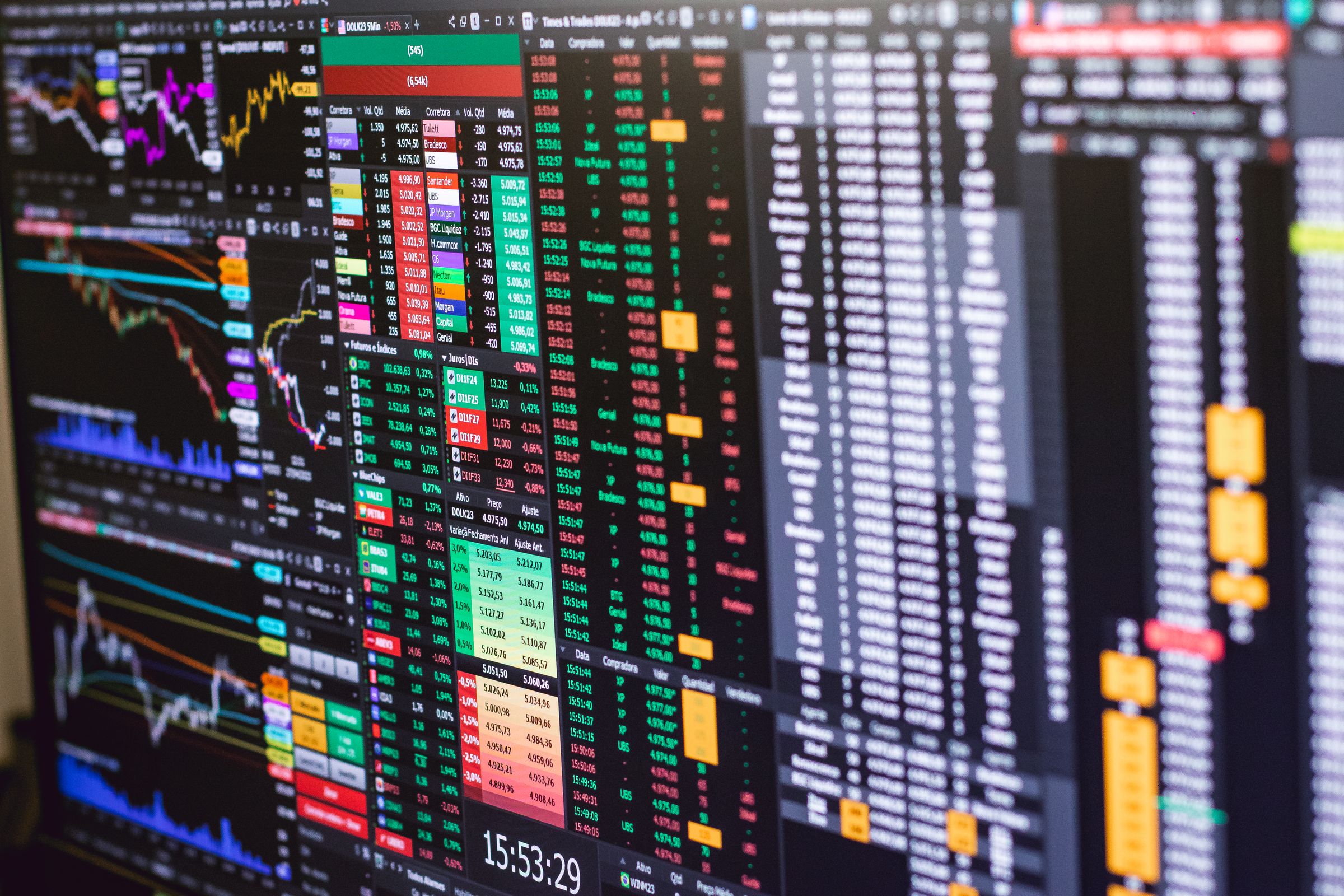
The Nasdaq Composite, an index dominated by firms tied to the AI buildout, fell 2.6 percent on Thursday, its steepest single-day decline since a 4.2 percent drop on June 5. The broader S&P 500 slid 1.2 percent, the benchmark’s worst session since a 1.5 percent decline on July 29. After the losses, the Nasdaq sits about 5.8 percent below its all-time high, reached on October 6.
The sell-off landed hardest on the companies making the largest spending decisions, as investors questioned whether the enormous capital commitments underpinning the artificial intelligence boom can be sustained.
The day’s most consequential corporate disclosure came from Meta, which raised its projected capital spending for this year to a range of $135bn to $145bn in its latest earnings report, even as the Facebook parent company’s net profit fell short of expectations. Meta shares dropped nearly 7 percent. That market verdict illustrates the accountability question now hanging over the sector: executives are committing vast sums on the premise that AI demand will justify the outlay, and investors are increasingly demanding proof.
The losses were broad across the group of companies whose leadership has defined the investment cycle. Amazon fell 4.6 percent and Nvidia dropped 4.4 percent. Tesla and Alphabet each declined 3.1 percent, while Microsoft slipped 2.2 percent. Apple was the lone exception among the so-called Magnificent 7, a group that makes up more than one-third of the overall market, rising 1.2 percent. The sell-off extended to other major players, with Intel and Advanced Micro Devices each falling about 8 percent and Broadcom sliding 4.3 percent.
Meanwhile, whether the current wave of spending amounts to a bubble has become a matter of intense debate, with comparisons drawn to the speculation that preceded the dot-com crash of 2000. Some Wall Street analysts view current levels of investment in datacentres and graphics processing units as unsustainable, while others argue that AI will transform society to a degree that justifies the sums involved. The scale of the commitments is substantial: global AI investment is forecast to reach $2.7 trillion in 2026 and $3.6 trillion in 2027, according to technology insights company Gartner.
Market observers cautioned against reading the decline as a verdict on fundamentals. Jay Goldberg, a senior analyst at Seaport Research Partners in San Francisco, said the swings appeared to be driven more by sentiment than by underlying conditions. “In short, nothing has changed. Investors have just decided to be afraid this week. Everyone I speak to points to a different cause for the downfall … It’s just a giant wall of worry,” Goldberg told Al Jazeera. “There are legitimate concerns about the AI trade, but this level of shift in the markets is driven much more by investor sentiment than any tangible reason.”
Geopolitics added to the downbeat mood. Rising oil prices since February, a consequence of the fallout from the US-Israel war on Iran, have weighed on markets. Brent crude futures rose 4 percent on Thursday and continued climbing on Friday morning, taking the international benchmark above $114.20 a barrel, its highest level since May.
Asian trading on Friday was choppy as the region absorbed the previous day’s losses. Japan’s benchmark Nikkei 225 fell more than 2 percent in morning trading before recouping some ground to close 0.3 percent lower. South Korea’s KOSPI dropped as much as 3.5 percent before finishing up 0.3 percent, and Hong Kong’s Hang Seng Index gained 0.7 percent after earlier slipping about 0.5 percent.
For now, the burden of proof rests with the companies directing the spending. With capital budgets climbing into the hundreds of billions and earnings reports under scrutiny, the market’s message to corporate leadership was unambiguous: the next round of disclosures will be judged against the promises that justified this year’s record outlays. Further reference coverage of the sell-off is available at https://www.aljazeera.com/economy/2026/10/23/us-tech-stocks-tumble-as-investors-fret-over-ai-spending.