Introduction
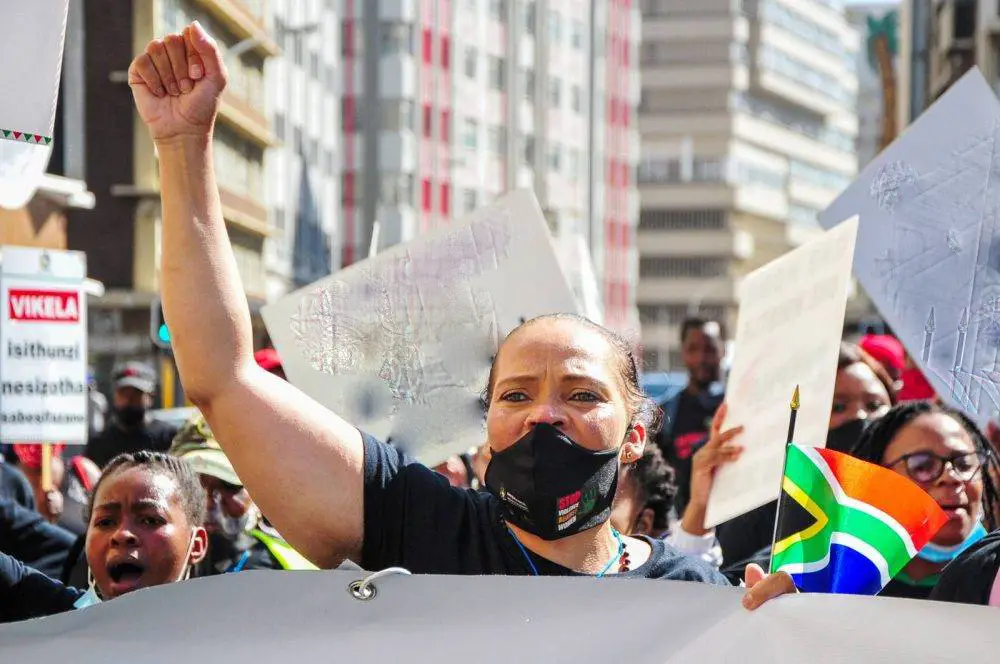
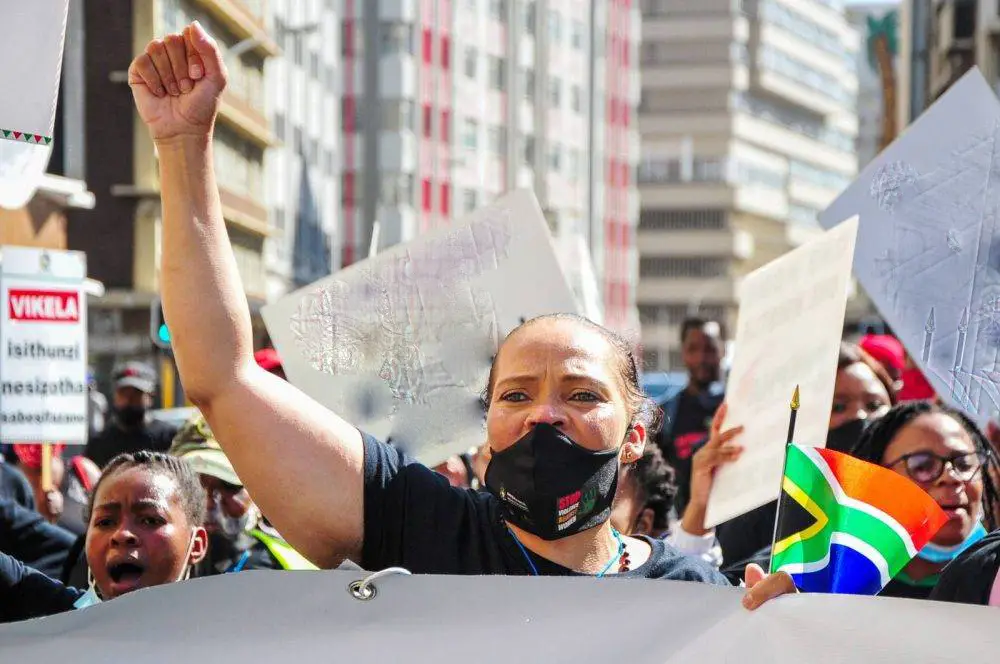
The G20 Protests outside the Nasrec Expo Centre have become a powerful display of public frustration at one of South Africa’s most turbulent moments. As world leaders met to discuss economic cooperation and global priorities, citizens gathered outside to raise urgent concerns about immigration pressures, gender-based violence and the country’s severe youth unemployment crisis.
Police enforced tight restrictions around the venue, leading to clashes and several arrests when protesters attempted to move beyond designated boundaries. Many demonstrators felt they were intentionally pushed out of sight, limiting the impact of their presence. The G20 Protests now form part of a broader national mood of anger connected to the upcoming shutdown campaign planned for 24 November.
G20 Protests Showing Rising Tensions Around the Summit Venue
The G20 Protests turned the areas surrounding the Nasrec Expo Centre into intense zones of confrontation. Protesters from different groups, including Operation Dudula and the MK Party, arrived early with banners and coordinated chants. They demanded accountability for ongoing economic hardship, growing crime and the lack of clear government responses.
Police had set up tight security perimeters, restricting access to key roads leading into the summit venue. As crowds grew, protesters attempted to move closer, believing their concerns should be seen and heard directly by international delegates. The confrontations began when officers blocked these attempts.
The G20 Protests illustrated a sharp contrast between the high-level diplomacy happening inside and the frustration boiling outside. It showed how deeply people feel excluded when leadership appears focused on global image rather than local struggles.
G20 Protests Highlighting Public Anger Over Immigration Concerns
Immigration became a major topic during the G20 Protests as demonstrators accused the government of failing to enforce border control. Operation Dudula supporters argued that undocumented migration is worsening unemployment, overcrowding public services and fuelling crime.
Protesters held signs demanding stricter immigration enforcement and calling for immediate action from the state. Their message was that communities feel overwhelmed and unsupported as foreign nationals compete for limited resources. Critics, however, warned that these arguments may stoke xenophobia and harm social cohesion.
The G20 Protests revealed how immigration has become more than a policy issue—it is a symbol of broader frustration with governance. Whether or not these claims are accurate, the protests showed that citizens feel ignored and want the state to address their fears openly.
G20 Protests Elevating the Crisis of Gender-Based Violence
Gender-based violence was one of the most emotional and forceful issues raised during the G20 Protests. Activists highlighted that 118 rapes are reported daily, pointing to a national emergency that demands far stronger action. Survivors and supporters carried messages calling for justice, safety and accountability.
They criticised the government for failing to implement promised reforms, citing insufficient policing, slow court processes and limited survivor support. Protesters insisted that GBV cannot be pushed aside during global discussions; it must be treated as a central social crisis.
By bringing GBV into the spotlight during the G20 Protests, demonstrators sent a strong message: South Africa’s global reputation means little if its most vulnerable citizens remain unsafe. Their calls reflected a demand for urgent, visible and sustained solutions.
G20 Protests Driven by a Youth Unemployment Crisis
Youth unemployment—standing at 46 percent—was one of the strongest motivators behind the G20 Protests. Young people gathered near Nasrec to share their frustration over limited job opportunities, rising living costs and years of unmet promises.
Many young protesters said they are trapped between education debt and informal work, with few prospects for long-term stability. They expressed anger at leaders who speak about economic growth while failing to create pathways into real employment. Their voices echoed through the crowds, showing how deeply unemployment shapes national anxiety.
The G20 Protests provided young South Africans with a platform to express their anger and push for urgent reform. For them, unemployment is not just a statistic—it is a daily struggle that affects families, communities and long-term hope.
G20 Protests Fuelled by Frustration Over Remote Protest Zones
A major trigger of the G20 Protests was anger over protest zones designated far from the main summit venue. Demonstrators said these locations minimised their visibility and prevented them from reaching global leaders. Many felt their presence was being intentionally hidden to preserve a positive image for international observers.
Police explained that the zones were chosen according to international security requirements, especially given the presence of high-ranking officials. Protesters argued that such restrictions undermine the meaning of their demonstrations.
Clashes erupted when groups attempted to move closer to the venue, resulting in arrests. The G20 Protests made clear that the design of protest areas plays a critical role in how demonstrations unfold—and how protesters perceive their freedom of expression.
G20 Protests Demonstrating Collapse of Trust in Government Promises
The G20 Protests revealed the growing collapse of public trust in government commitments. Protesters expressed disbelief that leaders would follow through on pledges related to unemployment, crime or gender-based violence. Many cited years of slow responses and policy delays that left communities feeling abandoned.
This mistrust is not limited to national leaders; it extends to multiple institutions, including police, local officials and justice structures. Protesters argued that promises now sound like empty words without real, measurable action. Inside the summit, leaders spoke of transformation and progress, but outside, citizens demanded proof.
The G20 Protests showed that rebuilding trust requires more than speeches—it requires visible, community-level change. Without it, dissatisfaction will continue to rise.
G20 Protests Feeding Momentum for the 24 November Shutdown
The G20 Protests served as a springboard for the national shutdown planned for 24 November. Organisers used the visibility at Nasrec to amplify their message, encouraging people across South Africa to join the shutdown in protest against rising unemployment, high crime rates and economic hardship.
Speakers urged communities to stay home from work, close businesses or participate in marches to send a powerful message to leadership. They argued that normal protests no longer gain meaningful attention and that large-scale disruption is necessary to drive change.
The G20 Protests helped create the energy needed for broader mobilisation. Whether the shutdown becomes widespread or remains symbolic, the anger displayed suggests that political pressure will intensify in the coming weeks.
G20 Protests Revealing the Deep Complexity of Public Order Policing
The G20 Protests underscored the complex role of police during high-stakes political events. Officers were tasked with protecting international delegates, enforcing security protocols and managing emotionally charged crowds. Demonstrators, however, viewed the heavy police presence as a threat to their democratic rights.
Scenes of officers pushing back protesters and making arrests sparked debates about excessive force. Police argued they acted to prevent disruptions and ensure safety for all attendees. Protesters countered that their rights were restricted under the justification of security.
The G20 Protests revealed that South Africa still struggles to find a balanced approach between maintaining order and respecting civil liberties. Future events may require more transparent planning and engagement to avoid repeated confrontations.
G20 Protests Showing the Gap Between Public Needs and Political Messaging
A major theme of the G20 Protests was the disconnect between what leaders say and what citizens experience. While officials spoke about economic progress, partnership and development, protesters insisted that such messages do not match daily realities of violence, unemployment and rising inequality.
Citizens said they feel excluded from policy conversations and left behind by decisions made without community input. Many expressed frustration that international summits often highlight positive narratives while ignoring local suffering.
The G20 Protests highlighted the need for leadership to speak more openly about weaknesses, not only strengths. Until communities feel seen and heard, political messaging will continue to clash with lived experience—fuelling more protests and deeper anger.
G20 Protests Reflecting a Nation at a Critical Turning Point
The G20 Protests reveal that South Africa is approaching a critical turning point. Many of the issues expressed—immigration fears, gender-based violence, unemployment and distrust in institutions—have been growing for years. The protests brought them together in a powerful and unified moment.
The demonstrations suggested that people are no longer willing to accept slow responses or repeated delays. They want urgent, visible action, not distant promises or political speeches. As the country prepares for the planned shutdown, the emotions displayed at Nasrec signal that South Africans are ready for significant change.
Whether the government chooses constructive engagement or defensive silence will shape what happens next. The G20 Protests have already shown that the public’s frustration cannot be hidden or ignored.
FAQs
Q1: What caused the G20 Protests at Nasrec?
The G20 Protests were caused by public anger over immigration issues, gender-based violence, youth unemployment and dissatisfaction with government responses.
Q2: Why did arrests occur during the G20 Protests?
Arrests happened when protesters attempted to move beyond restricted zones and clashed with police enforcing summit security protocols.
Q3: How are G20 Protests connected to the national shutdown?
The G20 Protests helped build momentum for the 24 November shutdown aimed at highlighting national frustration and demanding structural change.
Conclusion
The G20 Protests outside the Nasrec Expo Centre revealed a nation struggling with deep social and economic challenges. Protesters demanded urgent solutions to immigration concerns, gender-based violence and rising youth unemployment. Their anger, combined with clashes and arrests, showed the intensity of public frustration.
Unless leaders respond with meaningful action, the unrest witnessed during the G20 Protests may grow into larger movements and more disruptive demonstrations. The message is unmistakable: South Africans want real, immediate change.