Introduction
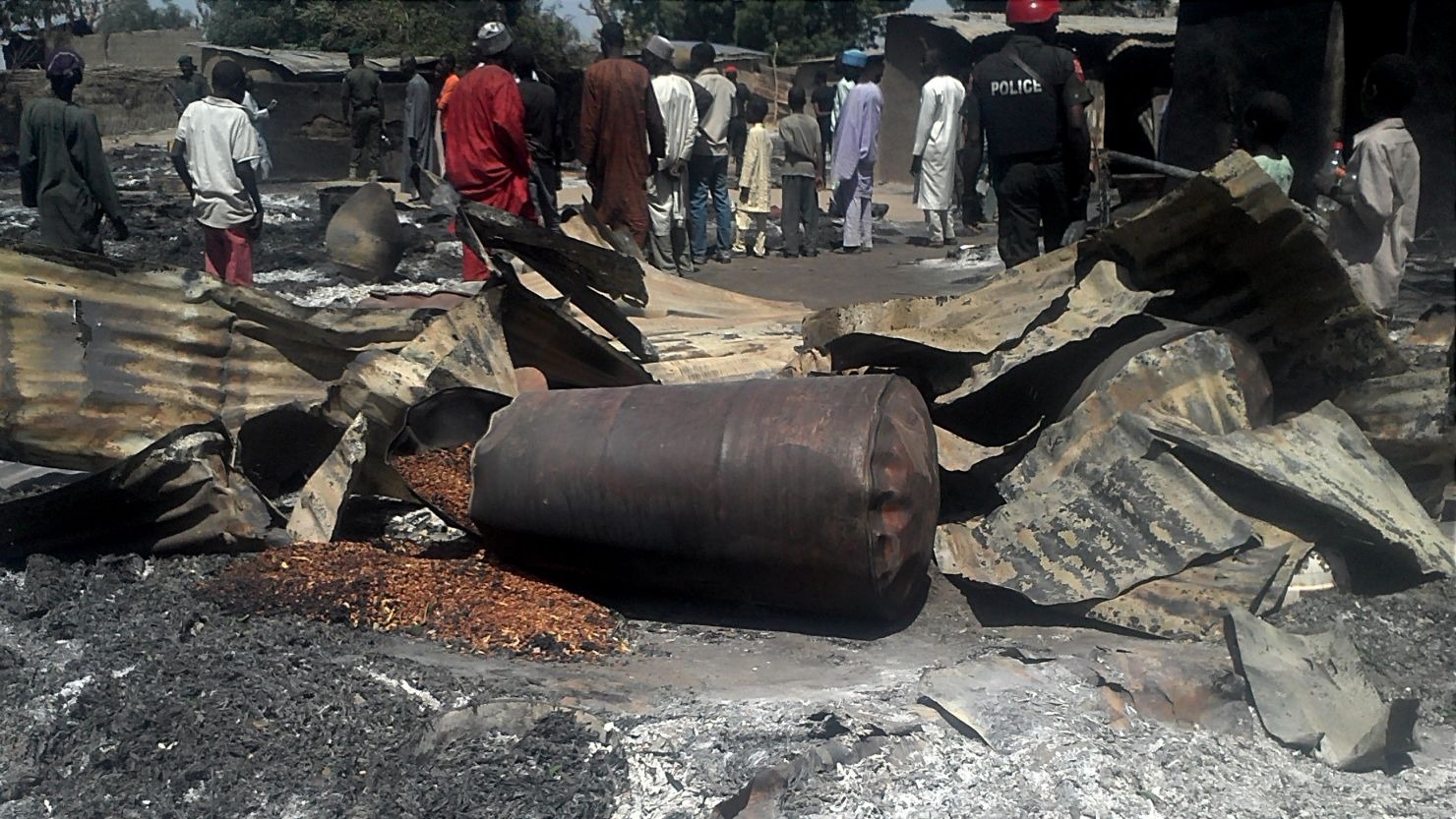
The recent Nigeria attack on the Christ Apostolic Church in Eruku, Kwara State, has once again spotlighted the ongoing insecurity issues plaguing the country. Armed assailants abducted the pastor and several congregants, killing others in the process. This attack is part of a disturbing pattern of increasing violence, with kidnappings becoming more prevalent throughout Nigeria. The tragic events also highlight the larger issue of insurgency, particularly from groups like Boko Haram and ISWAP, that continue to destabilize the region. In this article, we explore the lessons learned from this tragic event, which has left the nation reeling and questioning its future security.
Nigeria Attack: A Growing Trend of Violence
The recent attack in Nigeria marks a continuation of a growing trend of violent incidents involving armed assailants targeting civilians and religious institutions. This includes kidnappings for ransom, which have become a major problem in Nigeria. Despite government efforts, groups like Boko Haram and ISWAP continue to destabilize the nation, inflicting terror on innocent civilians.
These groups exploit the vulnerabilities in Nigeria’s security apparatus, striking communities with impunity. This attack is not an isolated incident but part of a larger pattern of violence that has affected thousands. The rise in these attacks indicates a failure to properly secure vital infrastructure and communities. If the Nigerian government does not act quickly to address these security concerns, more lives may be at risk.
The Role of Insurgency in the Nigeria Attack
One of the key drivers of the Nigeria attack is the ongoing insurgency in the region. Boko Haram, along with its offshoot ISWAP, has been responsible for numerous attacks across northern and central Nigeria. These groups are known for their brutality, including bombings, kidnappings, and the destruction of infrastructure. Their objective is to create an Islamic state, and they have targeted both civilians and security forces to achieve this.
The attack on the church in Kwara State is likely linked to the larger conflict involving these insurgent groups. It reflects their strategy of spreading fear and instability by striking at vulnerable targets such as religious groups, schools, and rural communities. By targeting such institutions, they aim to erode the social fabric of Nigerian society and impose their ideology through terror.
Nigeria Attack: The Consequences of a Failing Security System
The attack in Nigeria exposes the vulnerabilities in the country’s security system. Despite years of military intervention and international aid, the insurgency continues to gain ground. The Nigerian government has struggled to implement effective counterinsurgency strategies. Poor coordination among security agencies and insufficient resources have allowed insurgent groups to operate freely in certain regions.
This failure to provide security has led to widespread fear, displacement, and loss of life. It has also caused economic disruptions, particularly in regions heavily impacted by these attacks. The attack on a place of worship further highlights the deep-rooted challenges facing the country, making it clear that the current security framework is inadequate in dealing with the scale of the insurgency.
Kidnappings: The Alarming Trend in Nigeria
Kidnapping has become one of the most prevalent forms of violence in Nigeria, as groups seek to gain leverage through ransom demands. The attack in Eruku is a stark reminder of how widespread and dangerous this practice has become. In addition to religious figures and civilians, children have also been frequent targets for kidnappers. This trend has escalated in recent years, with some of the most high-profile abductions occurring in the northwestern states.
The increasing frequency of kidnappings is causing immense psychological and economic damage to Nigerian communities. Families are living in constant fear of abduction, and many are forced to pay ransoms to secure the release of their loved ones. The government’s inability to effectively tackle this crime has only emboldened the criminals and insurgents involved in these acts.
The International Response to the Nigeria Attack
The international community has expressed concern over the growing violence in Nigeria. Many governments, including the United States and the United Kingdom, have condemned the recent Nigeria attack and other similar incidents. They have called on the Nigerian government to take more decisive action to combat terrorism and kidnapping.
International aid organizations have also stepped in, providing humanitarian support to the victims of these attacks. However, critics argue that more concrete steps need to be taken to address the root causes of the violence. Without a comprehensive strategy that includes both military and social solutions, the situation in Nigeria will likely continue to deteriorate.
Nigeria Attack: The Impact on Religious Institutions
Religious institutions in Nigeria have become frequent targets of attack. Churches, mosques, and religious leaders are often caught in the crossfire of the larger conflict between the government and insurgent groups. This attack on the Christ Apostolic Church in Kwara State serves as a reminder of the risks that religious organizations face.
For many Nigerians, places of worship are sanctuaries, offering a sense of peace and community. The attack on such institutions disrupts the social order, causing fear and division among the populace. It also raises questions about the safety of religious gatherings and the ability of the government to protect these sacred spaces.
The Role of Technology in Responding to Nigeria Attack
Technology has played a growing role in both the execution of attacks and the response to them. Insurgent groups often use social media to spread their ideology, recruit followers, and claim responsibility for attacks. At the same time, the Nigerian government and security forces are increasingly turning to technology to track and combat these groups.
The use of surveillance drones, satellite imagery, and data analytics has become an integral part of counterinsurgency efforts. However, these technologies are not without their challenges. Limited access to technology in remote areas, coupled with cybersecurity threats, has hindered the effectiveness of these tools. More investment in technology is needed to ensure that security forces can effectively respond to attacks like the one in Eruku.
Nigeria Attack: The Road to Recovery
While the attack in Nigeria has left deep scars, there is hope for recovery. The Nigerian government, alongside local and international partners, must prioritize long-term solutions to the country’s security crisis. This includes strengthening law enforcement, improving intelligence-sharing, and addressing the root causes of insurgency.
Efforts must also be made to rebuild trust between the government and the affected communities. This can be achieved through increased transparency, accountability, and support for victims. By focusing on these areas, Nigeria can start to heal and rebuild, although the road ahead will be long and challenging.
FAQs
Q1: What was the recent Nigeria attack about?
The Nigeria attack involved gunmen who raided a church in Eruku, Kwara State, killing several individuals and abducting the pastor and congregants.
Q2: How has the Nigerian government responded to the recent attack?
The Nigerian government has condemned the attack and is working on strategies to combat insurgency and improve security in the region.
Q3: Why are religious institutions targeted in Nigeria attacks?
Religious institutions are targeted by insurgent groups to spread fear, destabilize communities, and impose their ideology on the population.
Conclusion
The recent Nigeria attack highlights the ongoing security challenges in the country. It underscores the need for stronger counterterrorism measures, better protection of religious institutions, and a comprehensive strategy to address insurgency and kidnapping. While the situation is dire, there is hope that, with proper action, Nigeria can rebuild and recover from these devastating events.