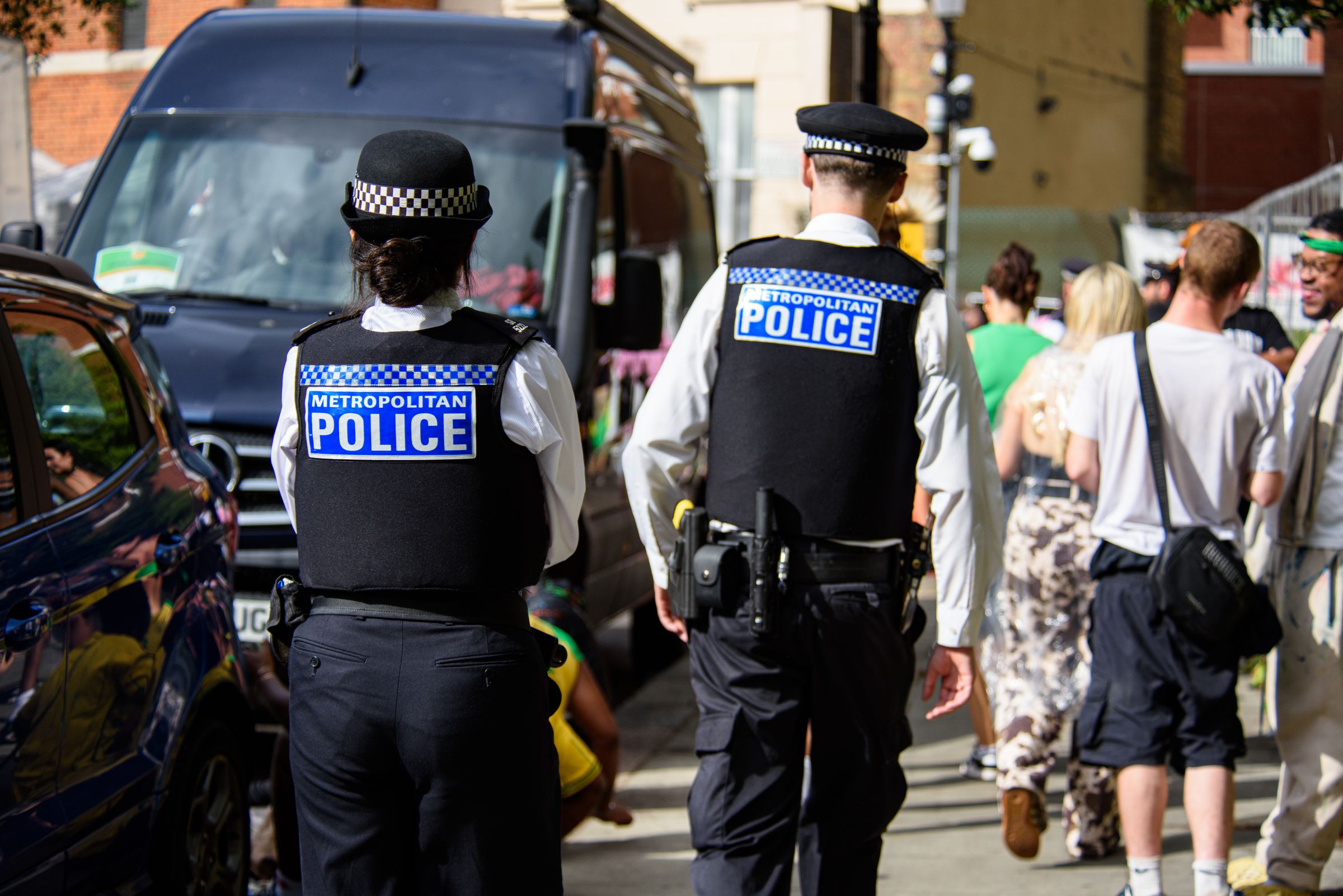
Metropolitan Police officers detained 139 people by Saturday evening outside the United States embassy in London, escalating an enforcement operation against a protest over the proscription of Palestine Action. The force announced the figure in a post on X, up from the 48 arrests it had reported earlier in the day. According to the police, “the majority of arrests have been for expressing support for a proscribed organisation.”
The rally was the first mass protest against the ban since Prime Minister Andy Burnham assumed office in July. It came days before a Supreme Court appeal on Wednesday that will challenge the campaign group’s proscription. Palestine Action has been classified as a “terrorist” organisation under United Kingdom law since July of last year, when the designation took effect under the government of then-Prime Minister Keir Starmer. The proscription added the group to a list of banned organisations that also includes al-Qaeda and ISIL (ISIS).
The operational picture extended beyond the capital. Protesters also gathered outside the US consulate in Edinburgh, the Scottish capital, where there have been no reports of arrests. Demonstrators in both cities held placards reading “I oppose genocide. I support Palestine Action.”
Meanwhile, for the organisers, Defend Our Juries, Saturday’s arrests pushed a running total past a significant threshold. The group said more than 4,000 people have now been detained for defying the Palestine Action ban since July 2025. “It is truly dystopian that there have now been over 4,000 arrests under terror laws for peaceful vigils silently expressing opposition to genocide and support for the protest group Palestine Action,” a spokesperson said, as reported by the UK news agency Press Association.
The same spokesperson tied the milestone to the location and the date. “The ban on Palestine Action was straight out of [US President Donald] Trump’s playbook, so it’s fitting that this significant milestone has been reached on Halloween and outside the US embassy,” the spokesperson said, arguing that the proscription was about the UK government “appeasing Trump and the Israeli weapons companies that Palestine Action disrupted, not about any kind of terrorist threat.”
Critics of the designation argue it forms part of a wider crackdown aimed at silencing pro-Palestine voices, and the enforcement operation drew swift political reaction. Labour Party MP John McDonnell, responding to the police statement on X, said that someone protesting against the government’s decision to proscribe an organisation cannot be “automatically interpreted” as supporting that organisation and “therefore committing an arrestable offence”. He added that he believes the government “made the wrong decision in proscribing Palestine Action as a terrorist organisation”.
Amnesty International UK also weighed in on the day’s enforcement. Felix Jakens, the organisation’s head of communications and campaigns, called on the government to reverse the proscription. “The sight yet again of grandparents, teenagers and everyone in between being hauled into police vans for peacefully holding placards is a disgraceful attack on freedom of speech,” Jakens said in response to the arrests.
“It’s past time for the government to drop the proscription of Palestine Action and reform our laws so that communities have more power to demonstrate on the issues they care about, not less,” Jakens added.
With the Supreme Court appeal scheduled for Wednesday, the question of how the ban is enforced in practice, and whether protest against the designation itself constitutes an offence, now moves from the streets to the country’s highest court.