Introduction:
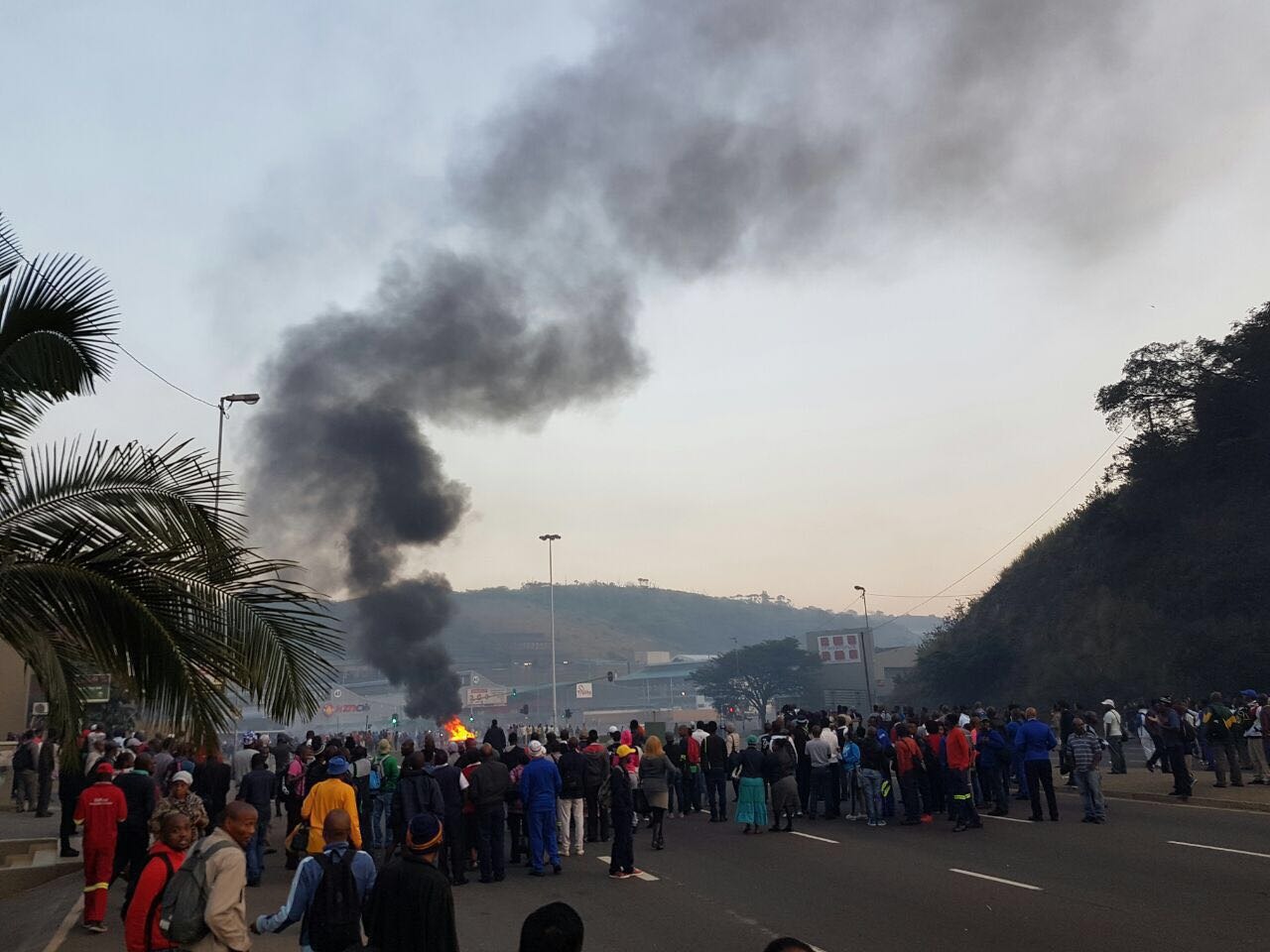
The Durban protest at Kingsmead Cricket Stadium was a pivotal event that drew over 5,000 participants in a 15-minute lie-down to honor the victims of femicide. Organized by local NGOs, the protest aimed to raise awareness about gender-based violence in South Africa, specifically focusing on the alarming rise in femicide. The lie-down served as a stark reminder of the daily violence faced by women in South Africa and the urgent need for government action.
The event gained significant attention, with local leaders such as the eThekwini Mayor offering support, pledging resources for GBV shelters, and reinforcing the importance of creating a safer environment for women. This article explores the significance of the Durban protest, its societal impact, and how it is connected to the broader global issue of gender violence.
Durban Protest: Symbolizing the Fight Against Femicide
The Durban protest was a deeply symbolic act aimed at highlighting the issue of femicide in South Africa. Participants, laying on the ground for 15 minutes, represented the women who had lost their lives to gender-based violence. This impactful visual statement brought attention to the high rates of femicide in the country, which has one of the highest rates of gender-based violence globally.
By staging this symbolic action, the protest aimed to show that each life lost to violence matters. The Durban protest served as a reminder that gender violence is not just a statistic but a human crisis that requires urgent and sustained action from both the government and society.
Durban Protest: The Role of Local NGOs in Mobilizing Change
Behind the Durban protest was a coalition of local NGOs that have long been at the forefront of advocating for gender equality and fighting gender-based violence. These organizations have worked tirelessly to raise awareness, support survivors, and push for legislative and societal change.
The Durban protest was a direct result of their efforts to bring attention to the systemic issues that perpetuate gender violence. Through their efforts, the NGOs successfully mobilized thousands of people, uniting them for a common cause. Their hard work highlighted the critical role community-driven organizations play in combating femicide and gender-based violence.
Durban Protest: Political and Municipal Support for GBV Shelters
One of the key outcomes of the Durban protest was the support it received from local government officials. During the event, the eThekwini Mayor pledged municipal resources to establish and maintain GBV shelters in the city. This commitment was significant, as it demonstrated that local government recognized the need for safe spaces and support services for survivors of gender-based violence.
By offering financial and logistical support to GBV shelters, the mayor’s involvement underscored the role that local governments must play in providing practical solutions to gender violence. This pledge helped elevate the protest from a public demonstration to a call for concrete policy action and community support.
Durban Protest: How Livestreams Amplified the Message Globally
In today’s digital age, social media plays a critical role in amplifying protests and social movements. The Durban protest was no exception, with livestreams capturing the powerful lie-down event and broadcasting it to global audiences. These live broadcasts not only brought local issues to international attention but also linked the fight against gender violence in South Africa to broader global conversations about inequality.
By connecting the protest to the ongoing G20 summit, the livestreams demonstrated that gender-based violence is not just a national issue but a global human rights concern. The digital coverage allowed people from around the world to witness the protest’s impact and join the call for greater gender equality and justice for victims of gender violence.
Durban Protest: Solidarity with Tshegofatso Pule and Other Victims
A major focus of the Durban protest was to honor victims like Tshegofatso Pule, a young woman whose tragic death sparked national outrage. The protesters used their platform to remember Pule and other women who have lost their lives to femicide. By naming victims like Tshegofatso Pule, the Durban protest humanized the issue of gender-based violence, turning it from a statistical problem into a deeply personal one for many participants.
The protest symbolized that the fight against femicide is not only about numbers but also about individual lives and the families who are left behind. The tribute to Tshegofatso Pule highlighted the ongoing need for justice and reform in how society and the legal system address gender violence.
Durban Protest: Global Inequality and the Fight Against Gender-Based Violence
The Durban protest not only raised awareness about gender violence but also linked the issue to broader themes of global inequality. The event coincided with the G20 summit, where global leaders were discussing key issues like inequality and socioeconomic disparities. Through their chants and messages, the protesters in Durban reminded the world that gender violence is both a local and global issue.
The Durban protest underscored the need for global solidarity in tackling the root causes of gender inequality and violence. It also showed that gender violence cannot be tackled in isolation, as it is intrinsically connected to social justice movements around the world.
Durban Protest: The Power of Peaceful Protest for Social Change
The Durban protest demonstrated the power of peaceful protest as a tool for social change. By choosing a symbolic action—the lie-down—the protesters were able to make a strong statement without resorting to violence or disruption. This approach allowed the Durban protest to resonate with people from all walks of life, creating a space for reflection and collective action.
The success of this peaceful protest shows that symbolic actions can be just as powerful as traditional protests. It sets a precedent for future demonstrations, particularly in the realm of social justice, where movements often focus on raising awareness and demanding change without escalating tensions.
FAQs:
Q1: What was the main objective of the Durban protest?
The Durban protest aimed to raise awareness about gender-based violence and femicide, with participants demanding more action and resources for victims.
Q2: Who organized the Durban protest?
The Durban protest was organized by local NGOs that have been advocating for gender equality and support for victims of gender-based violence.
Q3: How did the mayor of eThekwini contribute to the protest?
The eThekwini Mayor pledged municipal resources for GBV shelters in Durban, demonstrating governmental support for the cause.
Conclusion:
The Durban protest was more than just a public demonstration; it was a call for change and a reminder of the urgent need to address gender-based violence in South Africa and beyond. Through the lie-down and livestreams, the event brought together thousands of people to demand justice for victims of femicide. It also highlighted the critical need for support services, government involvement, and global solidarity in tackling this pervasive issue. The Durban protest will be remembered as a defining moment in the fight against gender-based violence, pushing the conversation into public consciousness and calling for immediate action.