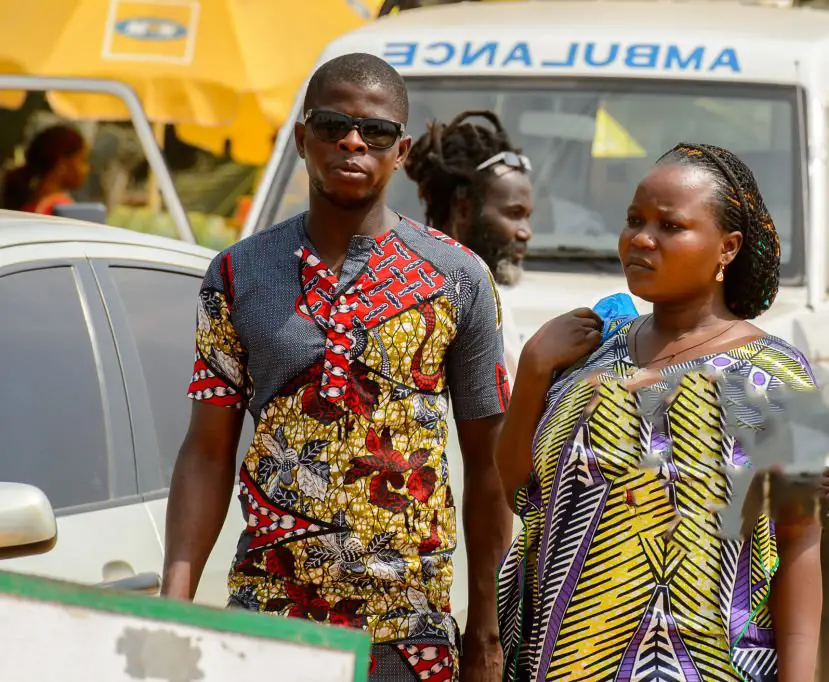
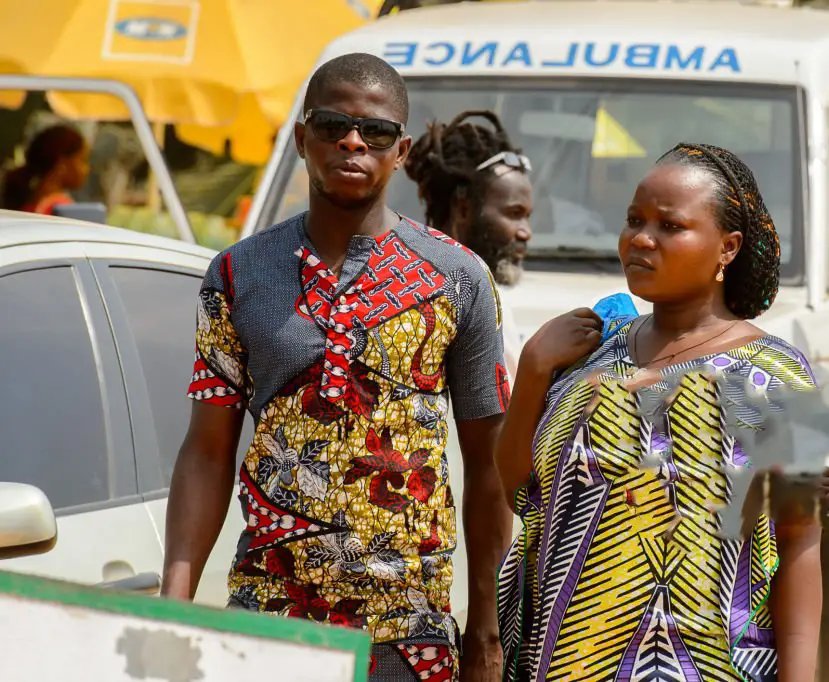
The Africa health funding crisis has emerged as one of the most pressing global health challenges, following substantial reductions in U.S. foreign assistance. Programs once sustained by international support — from HIV/AIDS treatment to vaccination campaigns — are now struggling to maintain operations across multiple African nations.
The impact of these funding cuts is most visible in rural communities and refugee settlements, where healthcare access was already limited. The crisis underscores the vital importance of consistent global cooperation in protecting public health across the continent.
The Crucial Role of U.S. Aid
For decades, the United States has been a cornerstone of African health progress. Initiatives like PEPFAR (President’s Emergency Plan for AIDS Relief) and USAID health programs have helped reduce disease burdens and strengthen medical systems.
U.S. assistance has been instrumental in:
- Cutting malaria mortality by more than 40%.
- Providing HIV treatment for over 25 million people.
- Supporting immunization drives that have protected millions of children.
However, as financial contributions decline, many African ministries of health are facing operational shortfalls that jeopardize decades of progress.
The Consequences of Funding Cuts
1. Weakened HIV/AIDS and Malaria Programs
Health centers in Kenya, Nigeria, and Uganda report drug stockouts and staffing shortages. Malaria prevention efforts — once global success stories — are losing ground due to reduced access to mosquito nets and diagnostic kits.
2. Disrupted Vaccination Campaigns
Fewer resources mean fewer vaccines. Programs combating measles, polio, and cholera are stalling, especially in remote regions dependent on donor-funded outreach.
3. Humanitarian and Mental Health Struggles
In conflict-affected areas such as Somalia and Sudan, humanitarian efforts are weakening. Refugee camps face a collapse of mental health services, and sanitation-linked diseases are spreading rapidly.
4. Healthcare Workforce Exodus
Healthcare professionals, stretched thin by low pay and poor conditions, are leaving the public sector or migrating abroad, worsening the shortage of skilled workers.
A Global Ripple Effect
The crisis extends beyond Africa’s borders. Infectious diseases can spread globally, and a weakened African health infrastructure poses a threat to global health security.
With Africa’s population projected to reach 2.5 billion by 2050, sustained health investment today is essential for global stability tomorrow.
African Innovation and Resilience
Despite limited resources, many African nations are developing innovative solutions:
- Public-Private Partnerships: Ghana and Rwanda are attracting private investors to modernize hospitals.
- Regional Collaboration: The Africa CDC is coordinating disease surveillance across borders.
- Domestic Resource Mobilization: Countries are boosting local manufacturing of vaccines and drugs.
- Digital Health Tools: Mobile apps and telemedicine are expanding access to care in rural areas.
These approaches show that while aid remains important, long-term success depends on self-sufficient and tech-driven healthcare systems.
Building the Path Forward
Ending the crisis requires:
- Revived international partnerships to restore essential funding.
- Increased domestic health budgets and incentives for private sector investment.
- Empowerment of local communities to sustain services independently.
- Smart technology adoption to optimize resources and improve monitoring.
Conclusion
The Africa health funding crisis marks a turning point for global health cooperation. While the reduction in U.S. aid exposed vulnerabilities, it also sparked a movement toward innovation and self-reliance within Africa.
By combining global partnerships with local leadership, the continent can emerge stronger, with healthcare systems capable of withstanding future shocks.
FAQs
1. What triggered the funding crisis?
Major reductions in U.S. and other international aid budgets.
2. Which areas are most affected?
HIV/AIDS, malaria, vaccination, and maternal health programs.
3. How are countries coping?
Through innovation, domestic investment, and public-private partnerships.
4. Why does this matter globally?
Health crises in Africa can have global consequences due to disease spread.