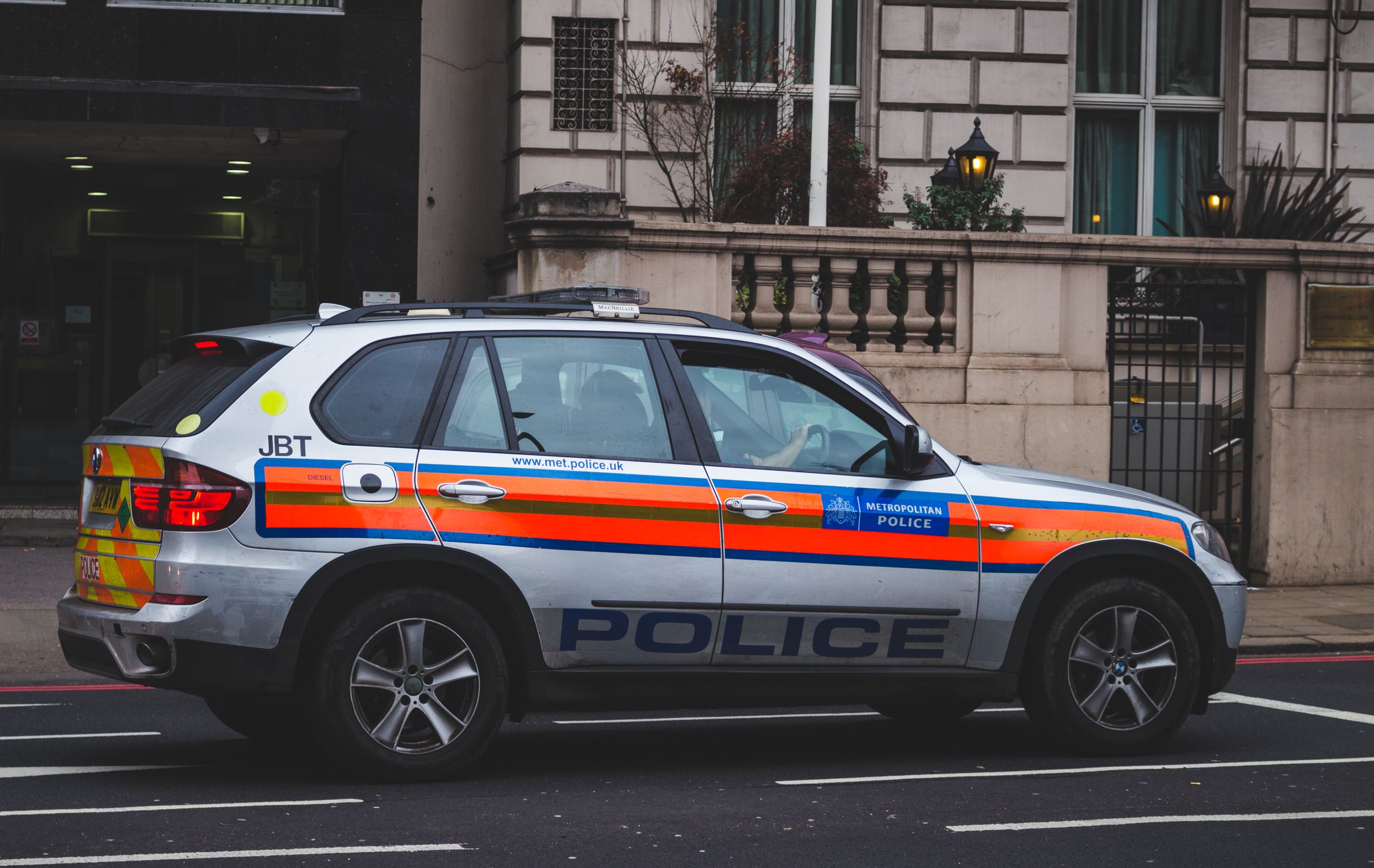
Warren Arter, 54, a former Metropolitan Police detective under investigation for exploiting vulnerable victims, was at the centre of an unexplained death abroad that British investigators chose not to examine, a BBC Panorama programme has revealed. The case raises pointed questions about institutional decision-making at every stage: how the force weighed its responsibilities toward a former officer’s alleged victims, how Barbadian authorities handled the scene, and why evidence that might have answered the family’s questions was never secured.
Arter spent years as a serving Met detective before being suspended and investigated by the Independent Office for Police Conduct over his conduct toward eight alleged victims whose cases he had worked on. He was never convicted. Throughout seven years of suspension he continued to receive his full detective inspector salary, and was eventually dismissed in 2023 for drug offences. Two years before that dismissal, he had travelled to Barbados with his wife Rebekah, whom he had met in 2006 when she reported domestic abuse to the Met and whose case he had investigated. She died in a hotel room at the O2 Beach Club in June 2024, aged 47.
The governance failures documented by Panorama begin at the scene. Hotel staff called to the room found conflicting accounts from Arter about what had happened: he told some that Rebekah had choked, others that her drink had been spiked, and others still that he had woken from 18 hours of sleep to find her dead. A security guard described performative CPR and shifting explanations, noting bloodstains on the bed, wall and living area but no visible head injury. Yet evidence was not preserved, vital forensic tests were not taken, and hotel staff who gave statements were never formally interviewed. Barbadian police, who briefly detained Arter before releasing him, later said they found no marks of violence and ordered no toxicology tests because they believed she died of natural causes. Police in Barbados did not respond to the BBC’s request for comment.
By contrast, the Met’s own response has come under scrutiny. Four days after the death, Rebekah’s son Elliot and daughter-in-law Lacey reported concerns at Bexleyheath Police Station, the same station where Arter once led rape investigations. That evening an officer briefed a Gold Commander, the senior figure responsible for deciding how the force responds to incidents. Despite this briefing, and despite the family’s request for assistance, no detectives were sent to the Caribbean island. The Met told the BBC it took this decision because no allegation of criminality had been made, though it said it made immediate efforts to obtain information to assess whether to travel. Under Foreign Office guidance, the case for such involvement is strengthened when families request assistance and credible concerns exist about the circumstances, as they did here.
The UK inquest that followed exposed further institutional shortcomings. A pathologist in Barbados had inexplicably “chopped up” Rebekah’s organs into small pieces, an act that served no medical purpose and destroyed vital evidence, according to a UK pathologist who examined the repatriated body. Key toxicology and histology tests were never conducted. Coroner Andrew Harris said this raised the prospect of “deliberate concealment or obstruction of further investigation,” declined to accept the Barbadian finding of aspiration pneumonitis, and recorded an open verdict, concluding that the death likely involved intoxication and that unlawful killing could not be ruled out. The inquest did not consider Arter’s alleged exploitation of other women within its scope.
Arter himself never faced further accountability. A week after Rebekah’s death he flew back to the UK, was arrested at Heathrow over alleged sexual offences against another woman whose case he had investigated in 2010, and was found dead in HMP Wandsworth three days later. Metropolitan Police Commander Simon Messinger said the force’s thoughts remained with the family, who “understandably have questions about the circumstances of her death,” and urged any victim survivor of rape and sexual offences to come forward.
The full investigation can be watched on Panorama: The Predator in the Police, available on BBC iPlayer from 0600 on Tuesday 17 November, or on BBC One at 21:00 that evening (not in Wales and Northern Ireland): https://www.bbc.co.uk/news/articles/c6jd7k7g57x5o
For Rebekah’s family, the outcome is an unresolved death, an open verdict, and a chain of institutional decisions, by the force that once employed Arter and by the authorities that handled the scene, that were never fully tested. Whether those decisions will ever be formally examined remains the open question the coroner’s verdict leaves behind.