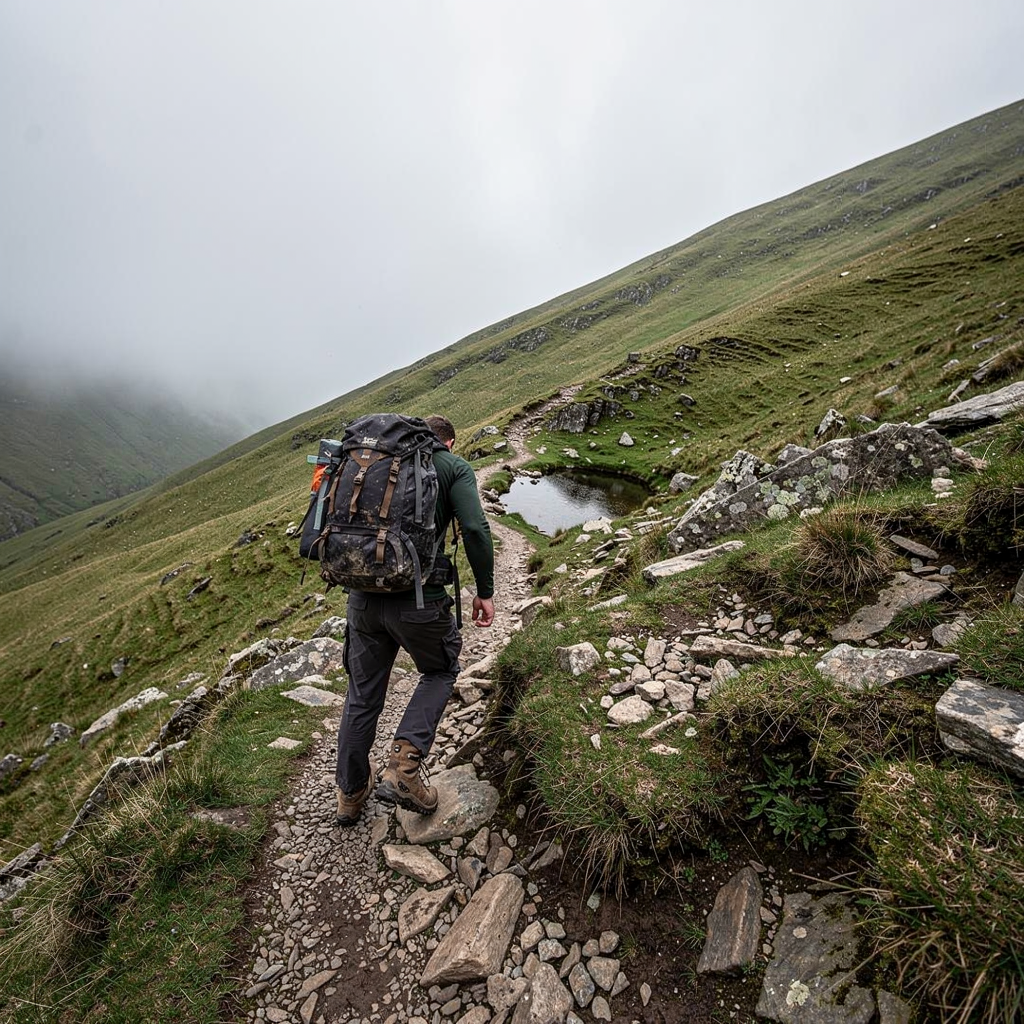
On a summer day in Buttermere, in the Lake District, two women approached a visiting family with a simple question: did they know how to get to the so-called Infinity Pools? Their entire research into the wild swimming spot, reachable only on foot, consisted of a single Facebook post. They had no idea where they were going. They had no idea that getting there would mean an hour of walking. That encounter, described by a writer who was there with his family this summer, captures in miniature a question now facing the whole tourism industry: when social media decides where we travel, do the benefits outweigh the costs?
The scale of that influence is considerable. Recent research suggests that around 75% of travellers are inspired to visit a specific location based on what they have seen on social media. Travel brands have followed their audiences, with much of their advertising now conducted through platforms such as Facebook and Instagram. The writer behind this piece counts himself among the influenced: his recent trip to Prague was, if not decided by, at least encouraged by the videos he saw of the city on Instagram and TikTok.
For some communities, that visibility has been a genuine lifeline. Videos about so-called hidden gems often gain enormous traction online, and a small local business featured in a popular influencer’s content can experience a surge in customers and followers. Places that might otherwise have gone unnoticed find audiences they could never have reached through traditional means.
But the same virality carries risks. In the Lake District, those risks are measured in rescue callouts. In recent years the area has seen an influx of tourists inspired by social media, and unlike destinations where visitors can be relatively unprepared and still stay safe, the Lake District combines difficult mountain hikes with changeable weather. Being unprepared there is far more dangerous. Local rescue teams have reported many more preventable callouts, caused by people who want to visit something they saw online but have not planned how to do so safely. The Buttermere encounter is one example of a broader pattern: a lack of research, which in places that can become genuinely dangerous is something visitors need to do for themselves.
Meanwhile, the pressures do not stop at safety. Overtourism has followed the cameras to some of England’s most photographed villages. Castle Combe in the Cotswolds has been overrun with tourists after multiple videos went viral framing it as a quintessential, picturesque British village. The crowds arrive in waves, and the local people who moved to these villages for a quiet life find their peace disrupted. The benefits of exposure, in other words, land unevenly: businesses may gain customers while residents lose the very character that drew them there.
Even established destinations are feeling the squeeze. When the writer visited Prague in September of this year, many of the spots he had seen online as the places to visit were remarkably busy. The Astronomical Clock was surrounded by huge crowds every hour as it chimed and its mechanical components moved. A restaurant he had seen praised repeatedly on Instagram and TikTok had a long queue out the door. The experience raised an uncomfortable question: do these crowds ruin the experience of visiting somewhere new? And if so, is social media itself the problem, or simply the way people now do all of their research?
There are no easy answers, but there is a practical one. Social media can be a useful starting point for planning a trip, and it can transform the fortunes of small businesses lucky enough to be featured. Yet the experiences of the Lake District’s rescue teams, the residents of Castle Combe and the visitors queuing in Prague all point in the same direction. For anyone hoping to travel authentically, and safely, the first three videos on a For You Page are not enough. The research that matters happens elsewhere.