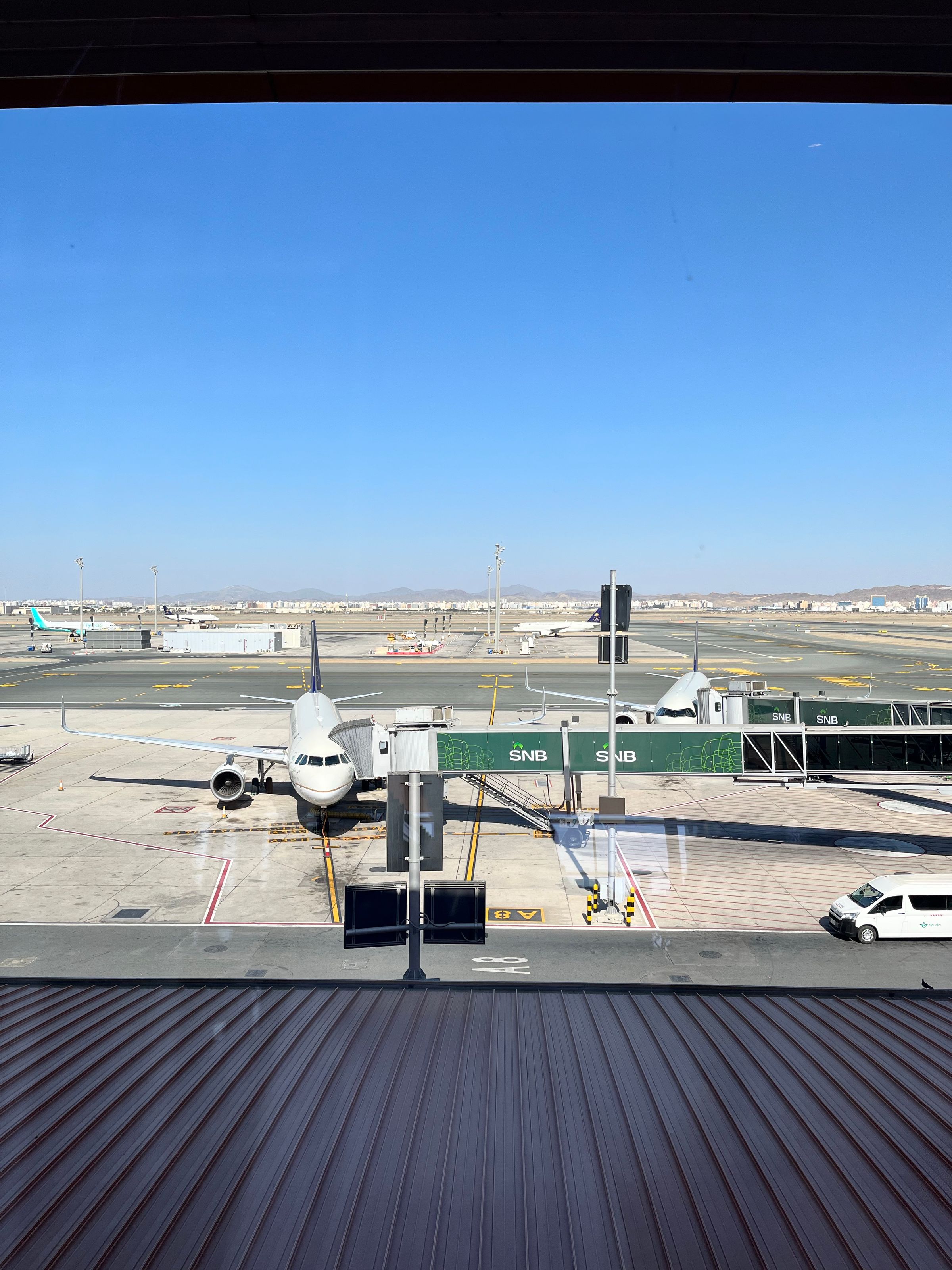
Travel advisories from major economies are compounding the commercial fallout of Houthi attacks on Saudi airports, with the closure of two of the kingdom’s main aviation hubs disrupting flights across the Middle East and raising costs for carriers, insurers and travel operators.
Australia and New Zealand on Monday became the latest governments to urge citizens to avoid travel to Saudi Arabia, joining the United States, Canada, the UK, South Korea and Japan in issuing warnings after a series of attacks on the kingdom’s airports.
The advisories land as Saudi Arabia absorbs five attacks on its airports in less than a week, with direct consequences for the region’s aviation market. King Khalid International Airport in Riyadh and King Fahd International Airport in Dammam remain closed following the strikes. Flights to and from King Abdulaziz International Airport in Jeddah have also been hit, with more than 150 flights cancelled and 374 delayed at Jeddah on Sunday, according to the flight tracking website Flightradar24.
The operational toll is mounting. One person was killed and 11 others injured on Sunday when a projectile struck King Khalid International Airport, according to Saudi Arabia’s General Authority of Civil Aviation. A Houthi strike on the same airport on Saturday killed 13 people and injured more than 300, the deadliest attack on Saudi Arabia in more than a decade. The Houthis claimed responsibility for four strikes on Saudi airports before Sunday’s attack, which has yet to be claimed by any group.
For insurers, airlines and travel operators, the advisories add a layer of commercial risk on top of the physical disruption. Australia’s Department of Foreign Affairs and Trade said Australians should avoid King Khalid International Airport in Riyadh and reconsider travel to other Saudi airports. New Zealand’s Ministry of Foreign Affairs and Trade went further, urging citizens not to travel to the capital’s main gateway or the provinces of Najran, Jazan and Asir for any reason, and to avoid non-essential travel to the country as a whole.
The US embassy in Riyadh on Sunday advised American citizens to reconsider travel to the kingdom, citing the threat of attacks by Iran and the Iranian-backed Houthis. Global Affairs Canada issued an advisory against non-essential travel to any part of Saudi Arabia. South Korea’s Ministry of Foreign Affairs recommended that its citizens in Saudi Arabia leave unless they are on essential business, and told anyone planning a trip to cancel it. The UK’s Foreign, Commonwealth and Development Office urged citizens to avoid travel to Jeddah and Dammam, and to all airports apart from Medina International Airport, except for essential reasons.
Market watchers are cautious about quantifying the damage. Brendan Sobie, an independent analyst and consultant in Singapore, said it was too early to predict the ramifications of the attacks for aviation across the region and beyond. “As has been the case with the Iran war and the impact from that crisis on the UAE, Kuwait and Bahrain, the impact of this latest crisis really depends on how long it lasts, how long Riyadh airport remains closed, and how long and to what extent are the restrictions once it reopens,” Sobie told Al Jazeera.
For now, the economics of the crisis hinge on duration. How long the Riyadh closure persists, and how restrictive operations remain once it ends, will determine the cost to carriers and the wider regional market.